What Is Web3?
Web3 represents the next generation of the internet built on decentralized technologies, primarily blockchain networks. Unlike today's centralized web (Web2) dominated by tech giants, Web3 gives users ownership and control over their digital identity, data, and assets through cryptographic protocols and distributed networks.
The term "Web3" was coined by Ethereum co-founder Gavin Wood in 2014 to describe a vision of the internet where users interact directly without intermediaries, own their digital creations, and participate in governing the platforms they use. This paradigm shift moves from corporate-controlled services to user-governed, community-driven networks.
At its core, Web3 combines blockchain technology, cryptocurrency, decentralized applications (dApps), and token-based economics to create an internet where value and ownership are programmable and transferable. Users can move between platforms while maintaining their identity, assets, and reputation without relying on centralized authorities.

Web Evolution: From Web1 to Web3
Understanding Web3 requires examining the internet's evolution through three distinct phases:
Web1 (1990s-2000s): Read-Only Web
The first generation of the internet was primarily static content consumption:
- Characteristics: Static HTML pages, limited user interaction
- Examples: Early websites, personal homepages, basic information portals
- Ownership: Content creators controlled their websites
- Limitations: No user-generated content, limited interactivity
Web2 (2000s-2010s): Read-Write Web
The social media revolution enabled user participation:
- Characteristics: Interactive platforms, user-generated content, social networking
- Examples: Facebook, Twitter, YouTube, Instagram
- Ownership Model: Centralized platforms own user data and content
- Trade-offs: Free services in exchange for data and attention
Web3 (2020s-Present): Read-Write-Own Web
The decentralized internet returns ownership to users:
- Characteristics: User-owned data, decentralized platforms, token-based governance
- Examples: Decentralized social networks, DeFi protocols, NFT marketplaces
- Ownership Model: Users own their data, identity, and digital assets
- Benefits: True digital ownership, censorship resistance, value creation

Core Web3 Technologies
Web3 functionality depends on several foundational technologies:
Blockchain Networks
Distributed ledgers that maintain consensus without central authorities:
- Ethereum: Leading smart contract platform for dApps
- Solana: High-performance blockchain for scalable applications
- Polygon: Ethereum scaling solution for faster transactions
- Polkadot: Interoperability protocol connecting different blockchains
Smart Contracts
Self-executing agreements that automate Web3 functionality:
- Programmable logic for decentralized applications
- Automated execution without intermediaries
- Immutable and transparent operation
- Foundation for DeFi, NFTs, and DAOs
Decentralized Storage
Distributed file systems replacing centralized servers:
- IPFS: InterPlanetary File System for decentralized storage
- Filecoin: Blockchain-based storage marketplace
- Arweave: Permanent storage solution for Web3 content
Cryptocurrency and Tokens
Digital assets enabling Web3 economics:
- Utility Tokens: Access to platform services and features
- Governance Tokens: Voting rights in decentralized organizations
- Stablecoins: Price-stable currencies for transactions
- NFTs: Unique digital assets representing ownership
Key Features and Benefits
Web3 offers transformative advantages over traditional web platforms:
User Ownership
Users maintain complete control over their digital assets:
- True ownership of digital identity and reputation
- Portability of assets across different platforms
- No platform lock-in or arbitrary content removal
- Monetization of user-generated value and contributions
Decentralization
Distributed networks eliminate single points of failure:
- No central authority can censor or control content
- Network resilience against outages and attacks
- Democratic governance through token-based voting
- Community-driven platform development and improvements
Transparency
Open-source protocols with verifiable operations:
- All transactions and code are publicly auditable
- Trust through cryptographic verification rather than brand reputation
- Reduced fraud through transparent business logic
- Community oversight of platform changes and upgrades
Interoperability
Seamless integration between different Web3 services:
- Users can move assets between platforms without permission
- Standardized protocols enable cross-platform functionality
- Composable applications build on existing infrastructure
- Unified digital identity across the decentralized ecosystem

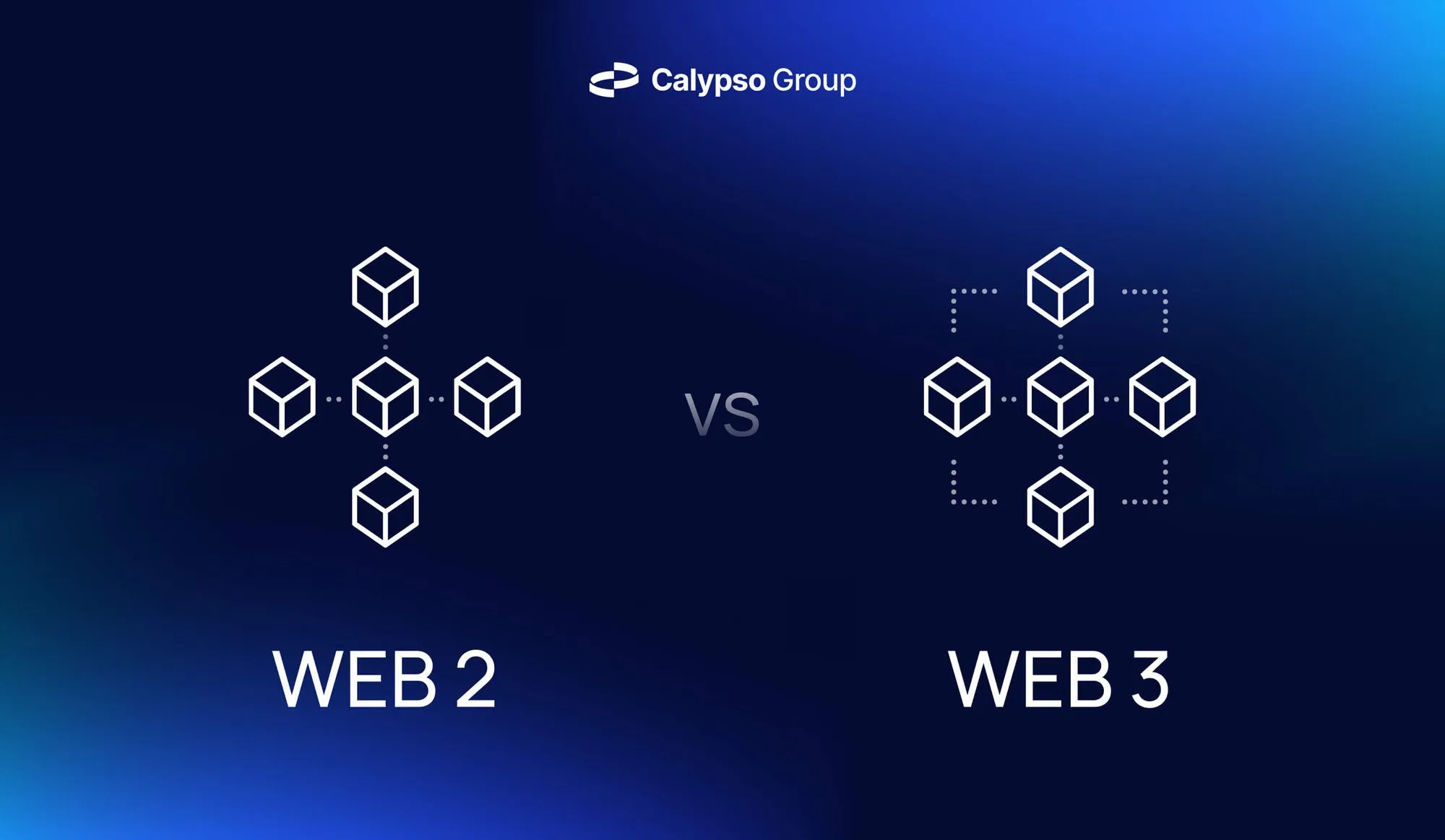
Web3 vs Web2 Comparison
Understanding the fundamental differences helps clarify Web3's value proposition:
Data Ownership
Web2: Platforms own user data and can monetize it without user consent
Web3: Users own their data and control how it's used and monetized
Platform Control
Web2: Centralized companies make unilateral decisions about features, content, and policies
Web3: Community governance through token voting and decentralized decision-making
Value Distribution
Web2: Platform owners capture most value created by user activity
Web3: Users receive tokens and rewards for contributing to network value
Censorship Resistance
Web2: Platforms can remove content, ban users, and restrict access
Web3: Decentralized networks resist censorship and maintain open access
Identity Management
Web2: Fragmented identity across different platforms with no portability
Web3: Unified cryptographic identity that works across all Web3 applications
Real-World Applications
Web3 is already enabling practical use cases across multiple sectors:
Decentralized Finance (DeFi)
Financial services without traditional banks:
- Lending and borrowing protocols with algorithmic interest rates
- Decentralized exchanges for peer-to-peer trading
- Yield farming and automated investment strategies
- Cross-border payments without intermediaries
Decentralized Social Networks
Social platforms where users own their content:
- Content monetization through creator tokens and NFTs
- Community governance of platform rules and features
- Portable social graphs and reputation systems
- Censorship-resistant communication platforms
Play-to-Earn Gaming
Games where players truly own in-game assets:
- NFT-based characters, items, and virtual real estate
- Player-owned economies with real-world value
- Interoperable assets across different gaming platforms
- Community-driven game development and governance

Creator Economies
Direct value exchange between creators and audiences:
- NFTs for digital art, music, and content ownership
- Token-based subscriptions and membership models
- Decentralized publishing and content distribution
- Fan participation in creator success through tokens
Supply Chain and Logistics
Transparent tracking and verification systems:
- End-to-end product tracking and provenance verification
- Automated payments and smart contract execution
- Decentralized quality control and compliance monitoring
- Reduced fraud through transparent supply chain records
Identity and Reputation
Self-sovereign identity solutions:
- Decentralized identity verification without central authorities
- Portable reputation systems across platforms
- Privacy-preserving identity management
- Community-verified credentials and achievements
Getting Started with Web3
Entering the Web3 ecosystem requires understanding key concepts and tools:
Essential Knowledge
Foundational concepts to understand:
- Blockchain basics and how distributed networks operate
- Cryptocurrency wallets and private key management
- Smart contract functionality and token standards
- Gas fees and transaction cost optimization
Getting Started Steps
Practical entry points for beginners:
- Set up a cryptocurrency wallet (MetaMask, Trust Wallet)
- Acquire some cryptocurrency (ETH, SOL, or stablecoins)
- Explore Web3 applications (DeFi, NFTs, dApps)
- Join Web3 communities (Discord, Twitter, forums)
- Learn gradually through hands-on experience
Recommended Platforms
Beginner-friendly Web3 services:
- MetaMask: Browser extension wallet for Ethereum and compatible chains
- Uniswap: Decentralized exchange for token trading
- OpenSea: NFT marketplace for digital collectibles
- Compound: DeFi lending protocol with simple interface
Security Best Practices
Essential safety measures:
- Never share private keys or recovery phrases
- Start with small amounts to learn the ecosystem
- Verify contract addresses before interacting
- Use hardware wallets for significant holdings
- Research projects thoroughly before participation
Current Challenges
Web3 faces several obstacles to mainstream adoption:
User Experience
Technical complexity barriers:
- Wallet setup and private key management complexity
- Gas fees and transaction cost confusion
- Multiple network and token management
- Recovery processes for lost access
Scalability
Performance limitations:
- Transaction speed and throughput constraints
- High gas fees during network congestion
- Storage and bandwidth limitations
- Energy consumption concerns
Regulatory Uncertainty
Legal framework challenges:
- Evolving government regulations and compliance requirements
- Tax implications for cryptocurrency transactions
- Securities classification of tokens and governance rights
- Consumer protection and dispute resolution mechanisms

Education Gap
Knowledge and awareness limitations:
- Technical complexity intimidating for average users
- Lack of clear educational resources and documentation
- Misinformation and scam prevalence
- Trust issues due to early ecosystem failures
Future Outlook
Web3's trajectory points toward increasing maturity and adoption:
Technology Improvements
Upcoming developments:
- Layer 2 scaling solutions reducing transaction costs
- Improved user interfaces and wallet experiences
- Cross-chain interoperability protocols
- Enhanced privacy and security features
Market Evolution
Adoption trends:
- Increased institutional investment and corporate adoption
- Regulatory frameworks providing legal clarity
- Mainstream applications integrating Web3 features
- Improved onboarding for non-technical users
Societal Impact
Broader implications:
- Shift toward user-owned digital economies
- Reduced dependence on centralized technology platforms
- New models for digital identity and reputation
- Global financial inclusion and access to services
Frequently Asked Questions
Do I need cryptocurrency to use Web3?
Yes, most Web3 applications require cryptocurrency for transaction fees (gas) and platform access. However, some applications are developing fiat on-ramps and gasless transaction solutions.
Is Web3 secure?
Web3 security depends on proper implementation and user practices. The underlying blockchain technology is highly secure, but users must manage private keys carefully and verify contract addresses to avoid scams.
What's the difference between Web3 and the metaverse?
Web3 is the underlying technology infrastructure, while the metaverse refers to virtual worlds and digital environments. Web3 enables ownership and economy in the metaverse through NFTs, cryptocurrencies, and decentralized platforms.
Can I use Web3 without technical knowledge?
Increasingly yes. User interfaces are becoming more intuitive, and many Web3 applications now offer simplified experiences similar to traditional web services, though understanding basics remains helpful.
What are the risks of Web3?
Primary risks include smart contract vulnerabilities, market volatility, regulatory changes, and user error in managing private keys. Starting with small amounts and thorough research helps mitigate these risks.
How does Web3 make money?
Web3 enables various monetization models: yield farming in DeFi, NFT sales, governance token appreciation, staking rewards, and participating in decentralized platforms' success through token ownership.
Conclusion
Web3 represents a fundamental reimagining of how we interact with digital services and own our online presence. By returning control, ownership, and value creation to users, it offers an alternative to the centralized internet model that has dominated for the past two decades.
The transition to Web3 is not immediate but rather an evolutionary process that builds upon existing web infrastructure while introducing new decentralized alternatives. As scalability improves, user experiences become more intuitive, and regulatory frameworks mature, Web3 adoption will likely accelerate across mainstream applications.
For users, Web3 offers unprecedented opportunities to own digital assets, participate in platform governance, and benefit directly from the value they help create. For developers, it provides new tools and economic models for building user-centric applications. For society, it represents a shift toward more democratic, transparent, and user-empowered digital systems.
While challenges remain in usability, scalability, and regulation, the foundational technologies are rapidly maturing. The vision of a decentralized, user-owned internet is moving from theoretical concept to practical reality, with early adopters already experiencing the benefits of true digital ownership and community governance.
As we progress through the 2020s, Web3 will likely become increasingly integrated into mainstream digital life, offering users choice between centralized and decentralized alternatives for different needs. The future internet will probably be hybrid—combining the best aspects of traditional web services with the ownership and control benefits of Web3 technologies. For those looking to understand the building blocks of Web3, learning about smart contracts and exploring AI-powered cryptocurrency tokens provides essential foundational knowledge.


Leave a Comment